Working Hours
Monday - Sunday: 9:30 AM – 9:30 PM
Friday- 9:30AM-12:00PM,1:30PM-9:30PM
Friday- 9:30AM-12:00PM,1:30PM-9:30PM
Working Hours

Two people can walk into a clinic with the exact same complaint: a tooth that throbs every time they bite down. One leaves having kept the tooth. The other leaves without it. The difference usually comes down to how much healthy tooth structure is left, not how much pain either one was in.
Table Of Contents:
An X-ray settles most of the question before a dentist even asks how the pain feels. It shows how much bone support remains, whether a crack extends below the gumline, and how close an infection sits to the root tip. A tooth with a small crack and a contained infection usually gets a root canal. A tooth with a fracture running deep into the root, or one surrounded by significant bone loss, usually doesn’t have enough left to save. The decision isn’t about preference. It’s about what the tooth’s structure can realistically support afterwards.

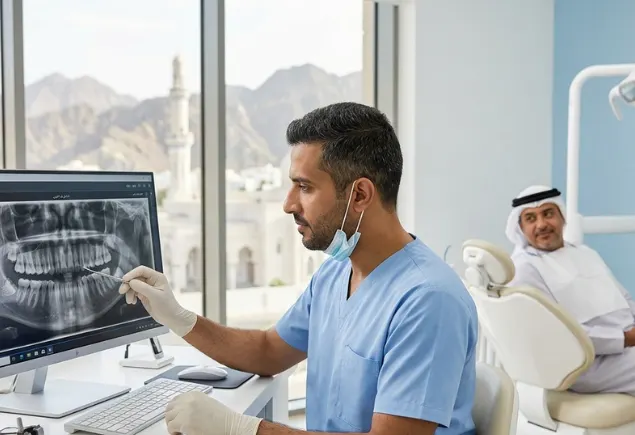
Root canal recovery is usually mild: some tenderness for a couple of days, manageable with over-the-counter pain relief, and a return to normal eating once the permanent crown is placed. Extraction recovery takes longer. The socket needs time to heal before it can support an implant, which can mean weeks before the space is properly filled. Wisdom tooth extractions, especially impacted ones, tend to involve more swelling and a few days of real downtime. Neither procedure is something to fear, but they’re not equivalent in terms of what the week after actually looks like.
The decision usually isn’t as dramatic as it feels in the chair. It comes down to an X-ray showing whether there’s enough tooth left to save, not a dentist choosing the harder or easier path. If a root canal can work, it’s almost always the better long-term option, because keeping a natural tooth avoids the cost and adjustment period of a replacement. When extraction is genuinely the only option, the goal shifts to planning the replacement early so the gap doesn’t sit empty and cause new problems.
The procedure is done under local anaesthesia and isn’t more uncomfortable than getting a filling. The pain people associate with root canals usually comes from the infection before treatment, not the treatment itself.
When there isn’t enough healthy tooth structure left, usually because of a deep crack, extensive bone loss, or an impacted wisdom tooth, extraction becomes the more realistic option.
Extraction usually costs less upfront, but a missing tooth typically needs to be replaced with an implant, bridge, or denture, which often adds up to more than a root canal would have cost.
Simple extractions heal within a week or so. Impacted wisdom tooth extractions usually involve more swelling and a longer recovery, often several days before returning to normal activity.
Not usually. Wisdom teeth are removed more often because of impaction or lack of space in the jaw, issues a root canal doesn’t fix regardless of the tooth’s infection status.

Al Rabeeh Dental Center provides comprehensive, ethical dental care using international standards and advanced technology to deliver healthy, confident smiles.
©2026. Al Rabeeh Dental Center LLC.All Rights Reserved. Powered by SilverHost

