Working Hours
Monday - Sunday: 9:30 AM – 9:30 PM
Friday- 9:30AM-12:00PM,1:30PM-9:30PM
Friday- 9:30AM-12:00PM,1:30PM-9:30PM
Working Hours

If a sip of hot tea or an ice-cold soda leaves you wincing for more than a few seconds, take note. We aren’t talking about a quick zing of sensitivity. We are talking about a dull, lingering ache that stays for minutes after you’ve finished your drink.
This usually means the blood vessels and nerves in your pulp are damaged or infected. When the interior of the tooth is compromised, it can’t regulate temperature changes anymore. It’s a classic indicator that the nerve is dying.
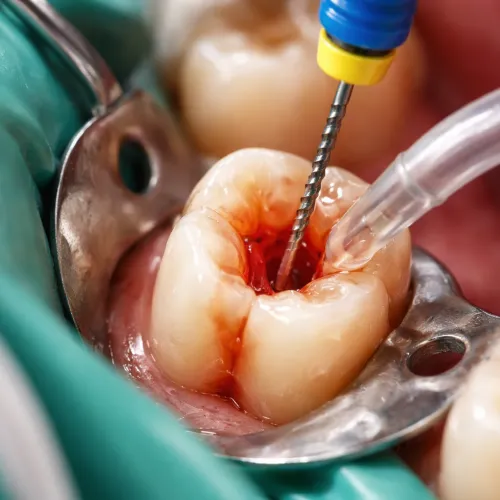
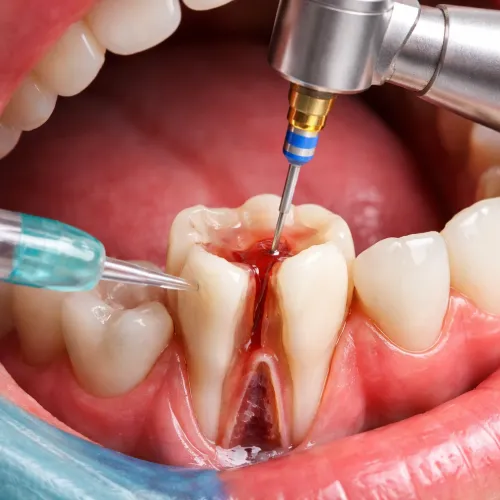
Look in the mirror. Does one tooth look slightly darker, greyish, or even black compared to its neighbors? Teeth don’t just change color for fun. This darkening is often caused by internal trauma or a breakdown of the internal tissue.
Think of it like a bruise inside your tooth. If the pulp dies, the tooth loses its “life,” and the structure starts to darken from the inside out. This is one of those signs you need a tooth canal that doesn’t necessarily come with physical pain, but it’s a massive red flag.
Your gums should be firm and pink. If they look puffy, feel tender to the touch, or seem protruded in one specific area, there’s likely trouble underneath. Swelling happens because the infection at the root tip is trying to find a way out, causing the surrounding tissue to inflame. It might feel like a dull pressure, or it might just feel “off” when you brush. Don’t ignore the puffiness.
Maybe you don’t have a constant ache. But the moment you chew a piece of toast or clench your teeth, you feel a sharp, localized jab. This usually points to a cracked tooth or a deep infection that has reached the periodontal ligament.
When the bone around the root becomes infected, the tooth becomes slightly loose in its socket. That microscopic movement during chewing creates the sharp pain you’re feeling.
A root canal isn’t the “boogeyman” of dentistry anymore. With modern tech at Al Rabeeh, it’s actually quite a routine, comfortable process that saves your natural tooth. Ignoring the signs won’t make the infection go away; it just gives it time to spread to your jawbone.
Have you noticed any of these red flags lately?
Honestly? No. The infection is painful. The procedure itself feels a lot like getting a deep filling. We numb the area completely, so you mostly just feel a bit of pressure while we work.
Only if the decay hasn’t hit the “pulp” (the nerve center). Once the bacteria invade the pulp, a filling is like putting a band-aid on a broken leg. You need to clean out the infection from the root to actually fix the problem.
Usually, one or two visits. We clean the canals, seal them up, and then we typically place a crown on top to make sure the tooth stays strong and doesn’t crack later.
The infection can spread to your gums and jaw, leading to an abscess. Eventually, the tooth may become so damaged it has to be pulled. Saving your natural tooth is always the better, cheaper option.
This article has been medically reviewed by Dr. Khalid , General Dentist at Al Rabeeh Dental Center, Oman. Dr. Khalid has extensive experience in diagnosing dental infections, managing tooth pain, and providing preventive and restorative dental care. His patient-focused approach helps individuals understand the early warning signs of dental problems and seek timely treatment before complications develop.
Persistent tooth pain, prolonged sensitivity to hot or cold foods, tooth discoloration, swelling around the gums, and deep decay can all indicate that the inner pulp of a tooth has been affected. Early diagnosis and treatment may help preserve the natural tooth and prevent the spread of infection. Al Rabeeh Dental Center provides comprehensive root canal treatment using modern techniques designed to relieve pain and restore oral health.


Al Rabeeh Dental Center provides comprehensive, ethical dental care using international standards and advanced technology to deliver healthy, confident smiles.
©2026. Al Rabeeh Dental Center LLC.All Rights Reserved. Powered by SilverHost

